Maternal Mental Health: What Should Good Support Look Like?
World Mental Health Day is on 10 October, and this year the World Federation for Mental Health has chosen the theme "Lived experiences heard: real voices, real change", putting a focus on how people's experiences should inform the way mental health services are designed and delivered.
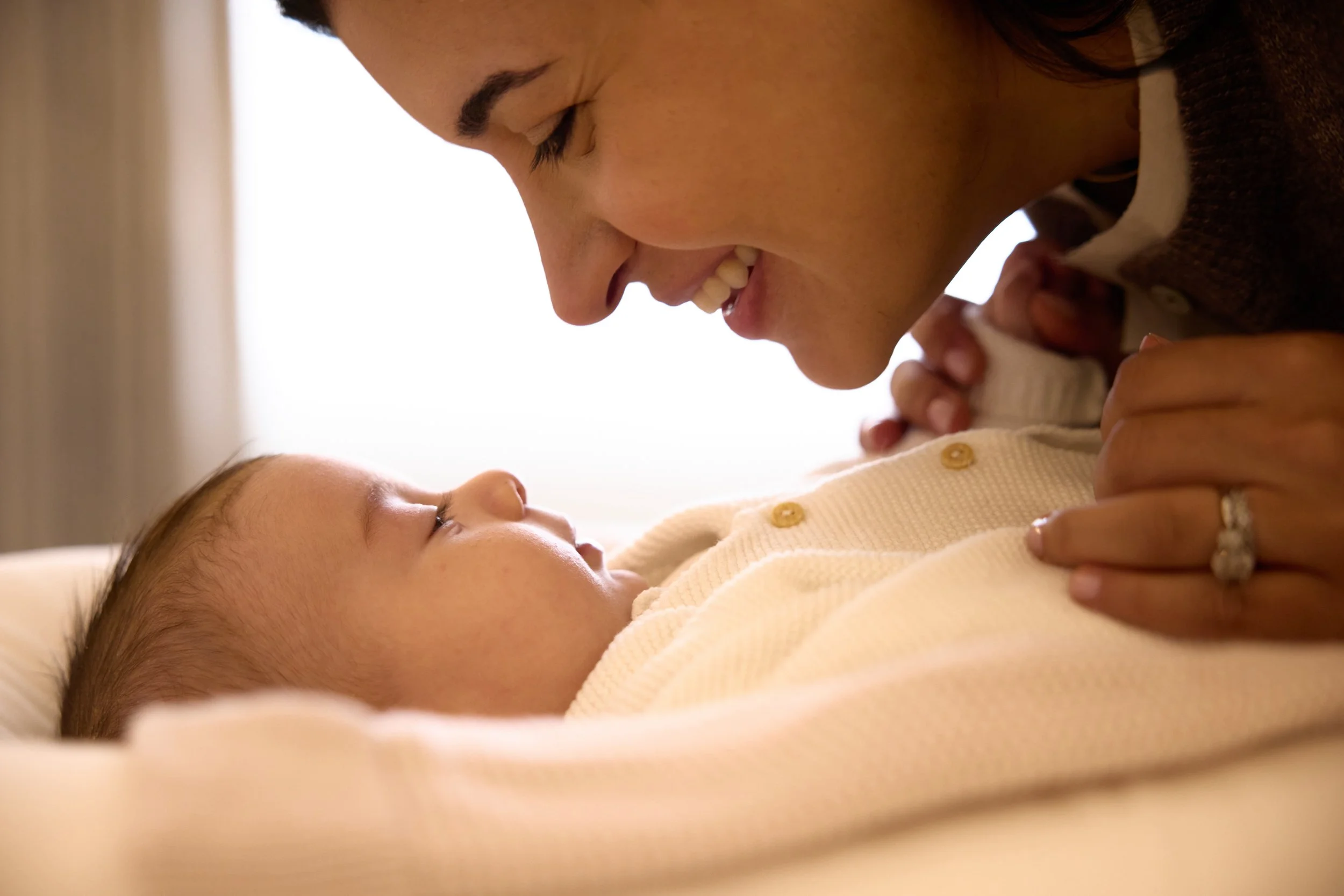
This feels particularly relevant to maternal health. Pregnancy, birth and postpartum bring significant change to a woman's physical health, relationships, routines and sense of identity. Mental health is a major part of that picture, although it is not always treated that way.
Perinatal mental health refers to mental health problems that arise during pregnancy or in the first year after birth. NHS England estimates that up to 26% of new and expectant mothers experience a perinatal mental health illness. This covers a wide range of conditions, from anxiety and depression through to more complex mental health difficulties.
It is worth being clear about this, because conversations about maternal mental health can sometimes become narrowly associated with postnatal depression. Depression is an important part of the picture, but so is a woman may be dealing with anxiety during pregnancy, intrusive thoughts, difficulties following a traumatic birth, a severe fear of childbirth, or an existing mental health condition that becomes harder to manage during this period. Some women experience difficulties following pregnancy loss or find themselves affected by what happened during their maternity care.
Matrescence and the question of identity
There is another part of the transition into motherhood that is increasingly being recognised: matrescence. Much like adolescence describes the transition into adulthood, matrescence describes the process of becoming a mother. It can begin during pregnancy and continue well beyond the birth of a baby. It isn't a diagnosis or a medical condition, but a way of describing the changes to how a woman experiences her body, relationships, priorities and sense of herself.
For some women, that change feels exciting or natural. For others, there can be a period of feeling unfamiliar to themselves. There is an unspoken assumption that becoming a mother is an addition to an existing identity, rather than a transition that can involve uncertainty about who you are now. Work changes, relationships feel different, her body can feel unfamiliar and her attention is now directed towards her baby. The routines and freedoms that existed before change rapidly, while a new sense of identity does not necessarily arrive at the same pace. A woman can love her baby deeply while missing parts of the person she was before becoming a mother. Those feelings are not contradictory, but they can be very difficult to talk about.
Mental and physical health are not separate experiences
Pregnancy and birth are often treated as primarily physical events, with mental health support considered something additional if a problem becomes apparent. In reality, the two are connected. Becoming a mother involves a significant period of physical, emotional and psychological adjustment.
The birth itself can affect how a woman feels postpartum. So can the recovery period. A woman can be physically recovering well and still be finding the experience difficult emotionally, while a difficult physical recovery can make it harder to look after her mental health.
The NHS has recognised this connection through the development of Maternal Mental Health Services, which bring together maternity care, reproductive health and psychological therapy for women whose mental health difficulties are directly related to their maternity experience. These services can support women experiencing difficulties such as birth trauma, perinatal loss or severe fear of childbirth. There are now 42 Maternal Mental Health Services operating across England.
What happens when a woman says she isn't okay?
Giving information about mental health, or encouraging a woman to speak to her midwife, health visitor or GP, matters. But it is only useful if there is somewhere for that conversation to go. The Royal College of Midwives has highlighted this in its Perinatal Mental Health Roadmap, calling for greater investment in services, more specialist perinatal mental health roles and better access to local maternal mental health and community-based services.
There has been progress in the NHS. More than 66,000 women accessed specialist community-based perinatal mental health care in 2025, and work is now underway to extend some specialist support from 12 months after birth to 24 months. The direction is encouraging, but support will still look different depending on where a woman lives and what she needs.
Maternal wellbeing is also broader than mental health treatment alone. A woman does not need to have a diagnosed mental health condition to benefit from support during pregnancy or after birth. She may simply be trying to understand what is happening to her body, prepare for recovery, adjust to changes in her identity or find her feet in the first weeks with a new baby. Good maternal care needs both access to clinical support when it is required and a wider understanding of what women are going through as they become mothers.
A more complete approach to maternal care
This is where we see an important role for care that sits alongside clinical services.
At The Tenth, our approach is built around the idea that maternal wellbeing cannot be separated into one area at a time. The Tenth Method brings together physical recovery, mental balance and emotional restoration within one connected approach to care.
Our services span both prenatal and postpartum care, with different levels of support depending on what a woman needs. This might be a single Method Session focused on something specific, or more sustained support through an At Home programme, where different practitioners work together as part of a coordinated plan.
For women looking for a more immersive period of recovery, The Tenth Retreat at the Mandarin Oriental Hyde Park brings clinical expertise, restorative treatments, nutrition, accommodation and baby support together in a setting away from home. The aim is to give mothers dedicated space for their own recovery, rather than expecting them to fit it around everything else.
The Tenth does not replace NHS mental health care where clinical treatment is needed, but it does offer another layer of maternal support. It recognises that recovery is about more than being medically well enough to go home. It is also about how a woman feels, what has changed and what support might help her navigate that transition.
That is what we mean by looking at the whole mother. Physical recovery matters. So does mental wellbeing, and so does the emotional experience of becoming a mother, including the changes to identity that can come with it.
Real voices, real change
This year's theme asks that lived experience shapes how care is designed. In maternal health, that starts with listening to how women describe this period in their own words: what felt hard, what was missing and what would have helped. World Mental Health Day is a useful opportunity to have that conversation. Not because every difficult experience needs to become a diagnosis, but because women should be able to talk honestly about how they are doing and know that there are different forms of support available when they need them.
If you are struggling with your mental health during pregnancy or after having a baby, speak to your midwife, health visitor or GP. You can also ask what perinatal mental health support is available in your area. If you need help urgently, call NHS 111 and select the mental health option, or call 999 in an emergency.