Postpartum Recovery Begins Before Birth

Pregnancy is often one of the most supported periods in a woman's life. There are appointments to attend, milestones to track, books to read and classes to book. Conversations naturally focus on labour, feeding choices, nursery preparation and what to expect on the day a baby arrives. Much of this support is valuable, necessary and reassuring.
Yet as maternity care continues to evolve, there is an important question worth asking: are we preparing women for birth, or are we preparing them for the reality of what follows?
Birth is a significant event, but it is only one part of a much larger transition. The physical recovery, emotional adjustment and lifestyle changes that accompany parenthood begin almost immediately afterwards. Despite this, the postpartum period often receives far less attention during pregnancy than labour itself.
This creates a gap in care. Women are encouraged to prepare extensively for giving birth, but are often left to navigate recovery and the transition into motherhood with far less guidance. As a result, many enter the postpartum period without fully understanding the changes they may experience, the support they might need, or the ways they could have prepared for recovery before birth.
Preparing For The Event, Not The ExperienceModern maternity care does an excellent job of helping women prepare for labour. By the time a baby arrives, many parents have spent months attending appointments, creating birth plans, packing hospital bags and learning about the birth process.
What is often missing is the same level of preparation for recovery.
Traditional antenatal education frequently focuses on helping women understand what will happen during labour and the first days with a newborn. Knowledge is important, but knowledge alone is not preparation.
During pregnancy, there are practical steps women can take that may positively influence their recovery experience. Pelvic floor training can help prepare the body for birth and postpartum healing. Perineal preparation may reduce the likelihood of birth-related trauma. Nutritional support can help build reserves for recovery and breastfeeding. Lactation preparation can improve confidence and feeding outcomes, while involving partners early can create stronger support systems for the weeks and months that follow.
These interventions are not simply about preparing for birth. They are about preparing for what happens afterwards.
Questions about life after birth can also be harder to answer, yet they are equally important. How will your body feel in the weeks that follow? What support will help you rest and recover? How will daily routines change? What role will your partner, family or wider support network play? How might your relationships, confidence and sense of identity evolve as you adjust to parenthood?
These conversations are frequently postponed until after birth, when families are already adapting to a new reality and have less time and capacity to think ahead. Yet recovery is not something that begins once a baby arrives. The foundations for a supported postpartum experience are often laid during pregnancy itself.
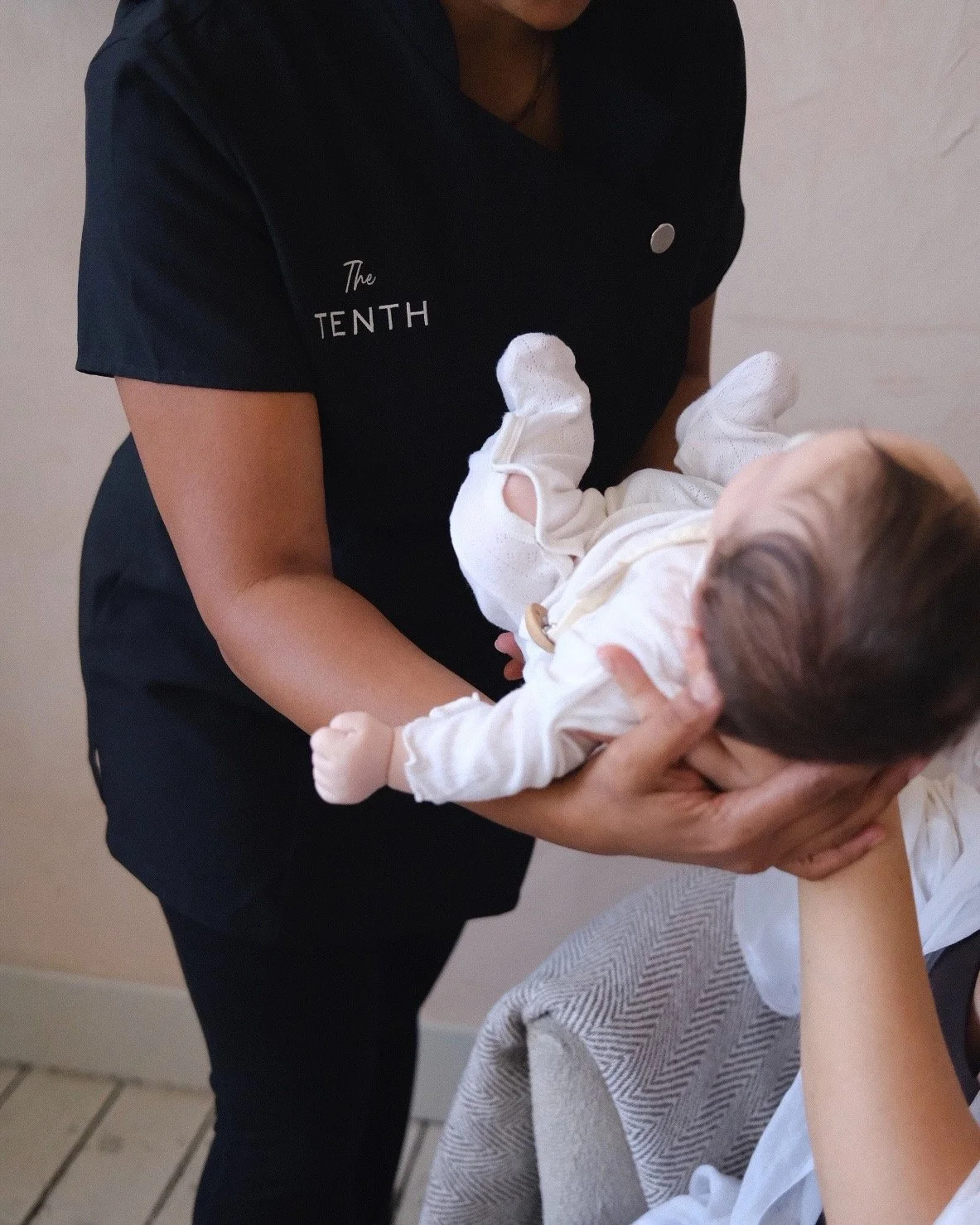
Building emotional awareness and understanding the transition into motherhood can help women approach the fourth trimester with greater confidence and self-compassion.
Recovery Is Not A Single Moment
When people talk about postpartum recovery, the focus is often on physical healing. While this is undoubtedly important, recovery extends far beyond the body's ability to heal after birth.
Recovery also involves adjusting emotionally to motherhood, managing changing energy levels, navigating disrupted sleep, maintaining nourishment and adapting to new responsibilities. It can influence relationships, confidence, identity and overall wellbeing.
Researchers often describe the transition into motherhood as matrescence: the physical, emotional and psychological process of becoming a mother. Much like adolescence, it is a period of profound transformation. The difference is that matrescence is rarely discussed with the same depth or understanding, despite the significant changes it can bring.
This helps explain why so many women describe the postpartum period as different from what they expected. It is not necessarily because they were unprepared for birth itself, but because they were unprepared for the scale of adjustment that follows. Understanding this transition during pregnancy can help women approach it with greater awareness, self-compassion and confidence.
Recovery Starts Before Birth
One of the biggest misconceptions about postpartum recovery is that it begins after delivery.
In reality, many of the factors that influence recovery are established during pregnancy.
Physical preparation can support how the body responds to birth and heals afterwards. Nutritional optimisation can help women enter the postpartum period with greater resilience. Preparing for breastfeeding before birth can improve confidence and feeding success. Building emotional awareness and understanding the transition into motherhood can help women approach the fourth trimester with greater confidence and self-compassion.
None of these steps can guarantee a particular outcome. Every pregnancy, birth and recovery journey is unique. However, they can help women feel more prepared, more supported and better equipped for the realities of early motherhood.
This is why recovery should not be viewed as a separate chapter that begins after birth. It is a process that starts long before labour begins.
The Importance Of Building A Support Network Early
One of the most valuable things a woman can do during pregnancy has little to do with buying baby essentials or preparing a nursery. It is building a support network before it is needed.
Recovery is not designed to be navigated alone. Whether support comes from a partner, family member, friend, healthcare professional or a community of other mothers, having trusted people in place can make a meaningful difference to the postpartum experience.
Every family's support system will look different. Some women may have extensive family nearby, while others rely on friends, professional support or local communities. What matters is recognising that support is not something to organise in the middle of exhaustion and adjustment. It is something that benefits from planning ahead.
When women enter the postpartum period knowing who they can turn to, what help is available and where to seek guidance if challenges arise, they are often better equipped to navigate the inevitable ups and downs of early parenthood. Preparation does not remove uncertainty, but it can create a greater sense of confidence and stability during a time of significant change.
Looking Beyond The Birth Plan
Birth plans have become a familiar part of pregnancy preparation, helping women think through their preferences and priorities for labour. Yet there is a strong argument for giving equal attention to a recovery plan.
A recovery plan does not need to be rigid or complicated. Instead, it encourages women and their families to think practically about the weeks and months after birth. How will rest be prioritised? Who can help with meals, household tasks or childcare support? What boundaries might need to be established to protect recovery and wellbeing? What professional support is available if additional guidance is needed?
These conversations may seem simple, but they can have a significant impact on how supported a woman feels once her baby arrives. The experience of early parenthood is shaped not only by the birth itself, but by the environment, resources and support that surround a family afterwards.
A New Conversation Around Maternal Care
At The Tenth, we believe there is an opportunity to broaden the conversation around pregnancy care. Preparing for birth will always be important, but preparation should not stop there. Women also deserve support that helps them actively prepare for recovery, navigate the transition into motherhood and build the foundations for their wellbeing after birth.
This means recognising that postpartum recovery is not a separate chapter that begins once pregnancy ends. It is part of the same journey. The choices, interventions, conversations and support systems established during pregnancy can have a meaningful influence on how women experience the months that follow.
The future of maternal wellbeing is not simply about supporting women after birth. It is about recognising that recovery begins long before a baby arrives.
By bringing recovery preparation into pregnancy, we have an opportunity to improve outcomes, strengthen support systems and help women approach motherhood with greater confidence and resilience.
Birth will always be an important milestone. But it is not the whole story.
The weeks and months that follow shape a woman's experience of motherhood just as profoundly.
The more we prepare for that journey during pregnancy, the better equipped women and their families can be when it begins.
.